| _ga | Se usa para distinguir a los usuarios. Caduca a los 2 años. |
|---|---|
| _gid | Se usa para distinguir a los usuarios. Caduca a las 24 horas. |
| _gcl_au | Se usa para hacer el tracking de las conversiones. Caduca a los 3 meses. |
| _dc_gtm_UA-4554452-1 | Se usa para limitar el porcentaje de solicitudes. Caduca al minuto. |


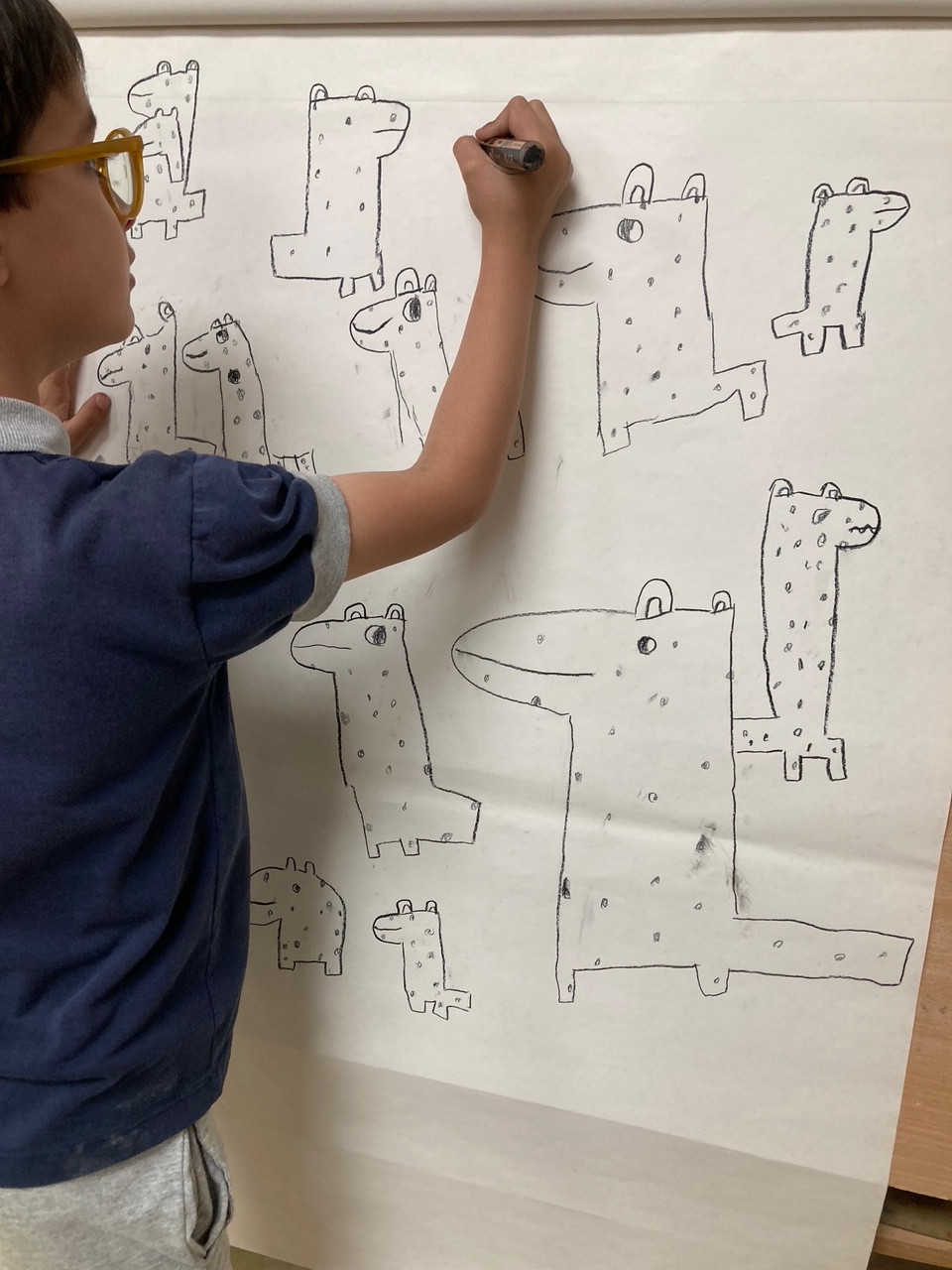
In the Atelier, we place great value on each child's learning journey by focusing on the assessment of both the creative thinking process and the practical execution of their work. We encourage children to develop ideas that are personal and meaningful to them, and we value the way they translate those ideas into artistic expression. Equal importance is given to the execution of their work, composition, expressiveness, and the thoughtful selection and use of materials.
Our emphasis is therefore on the development of reflective thinking, problem-solving, creative decision-making, and independent working habits—essential skills in every creative process.
When we speak about creativity, we are referring not only to having good ideas but also to the ability to think them through, develop them, and bring them to life.
This year, once again, we have combined the Atelier's distinctive methodology with a creative project inspired by the work of Antoni Gaudí, marking the centenary of his legacy.
The project has been designed to help children discover and appreciate Gaudí's work as a source of inspiration for their own creations, rather than encouraging them to copy or reproduce his designs.
To achieve this, our work has focused on three key features that characterise Gaudí's artistic vision:
- The integration of nature and geometry
- The use of innovative construction methods
- Experimentation with traditional craft techniques
This project has been brought to life through three main activities:
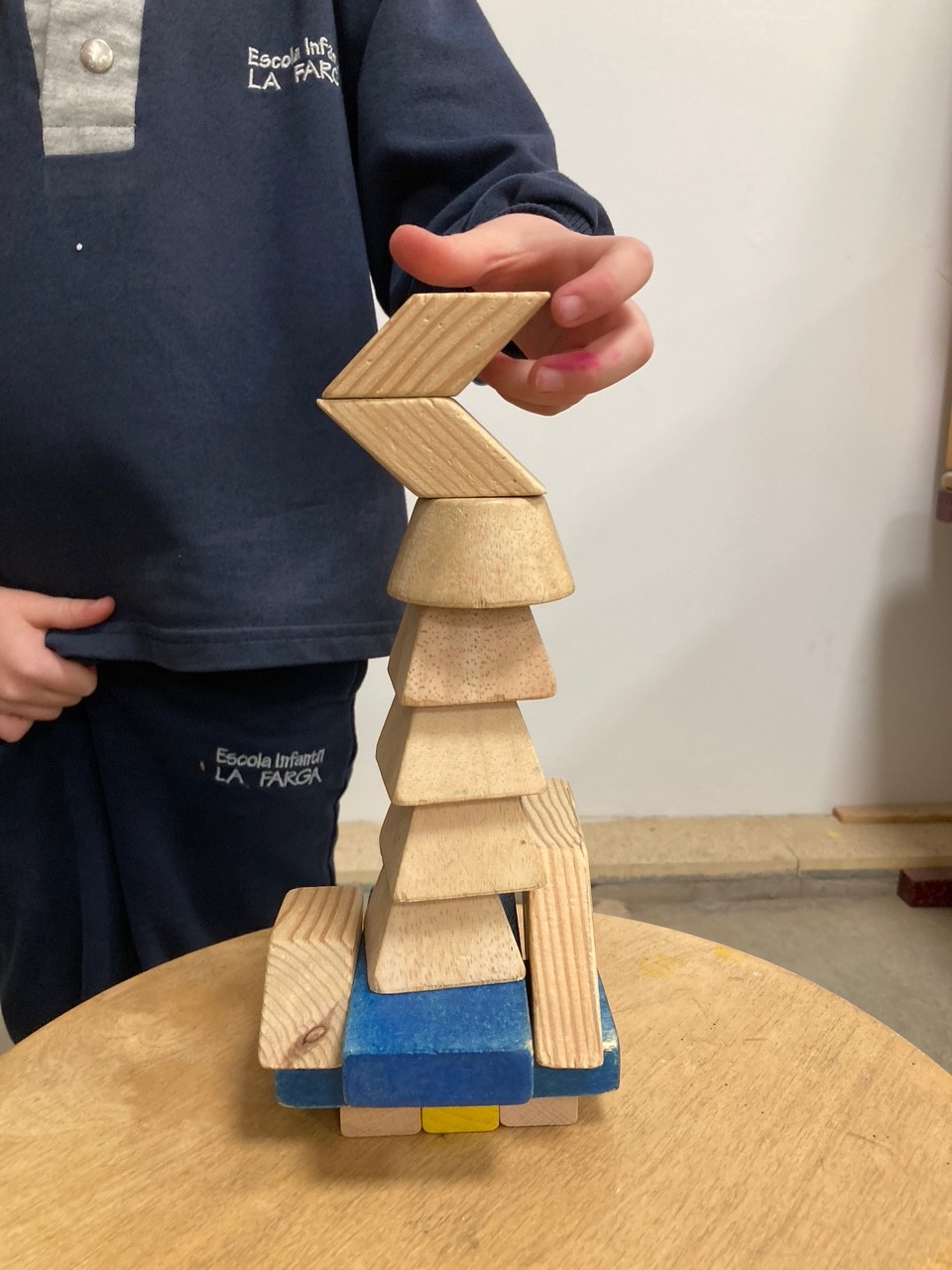
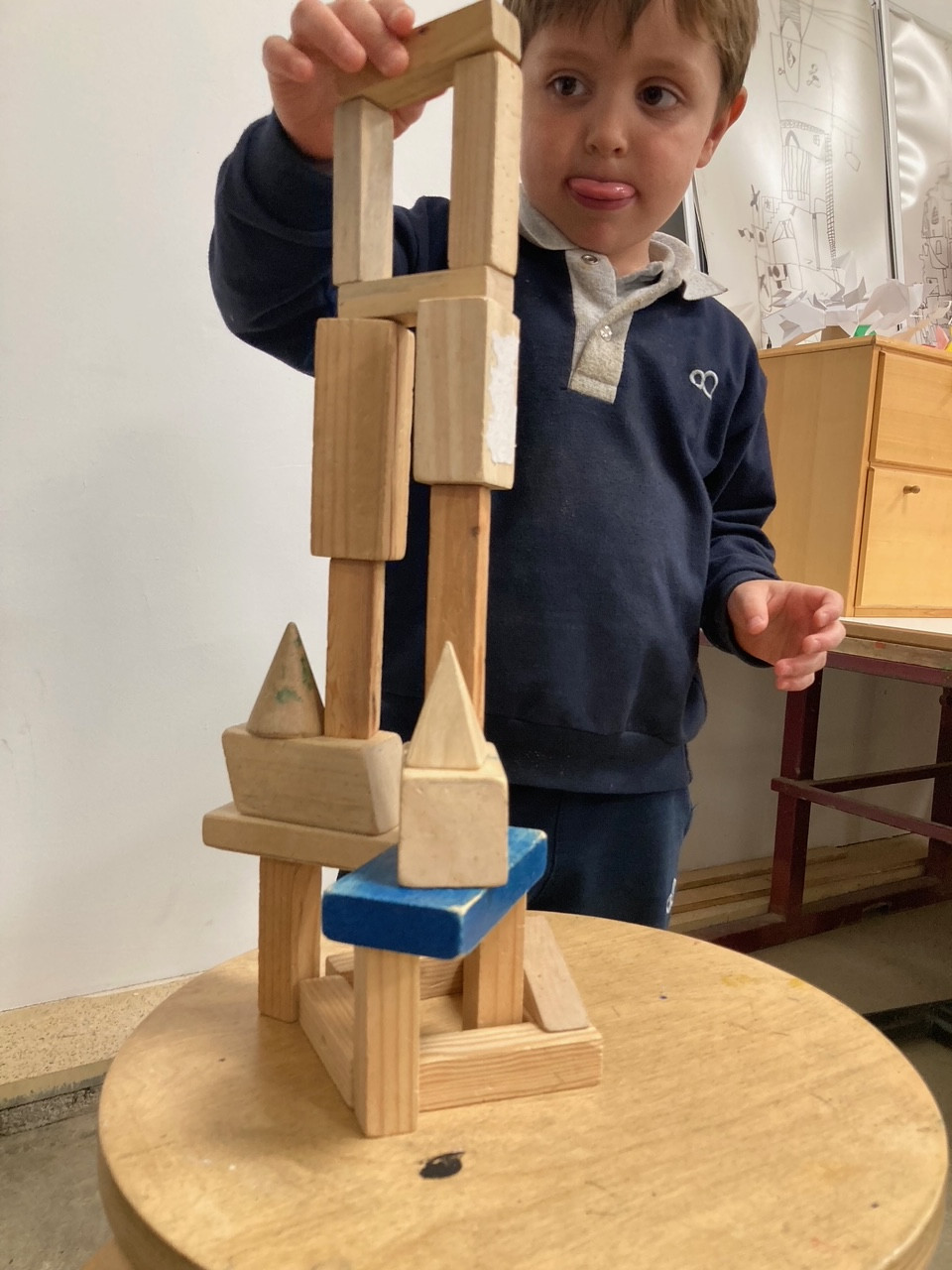
- Designing and building towers
- Creating mosaics
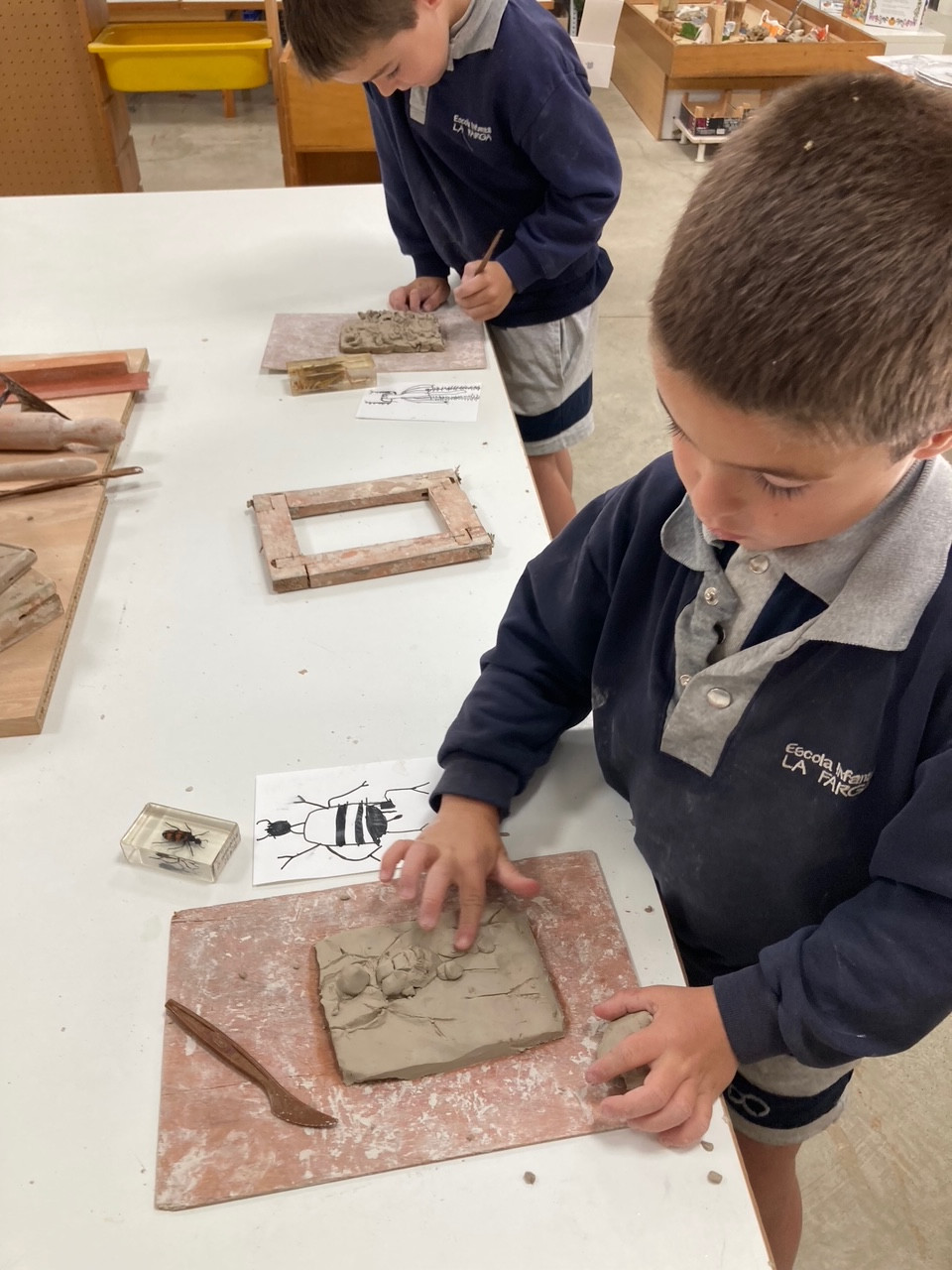
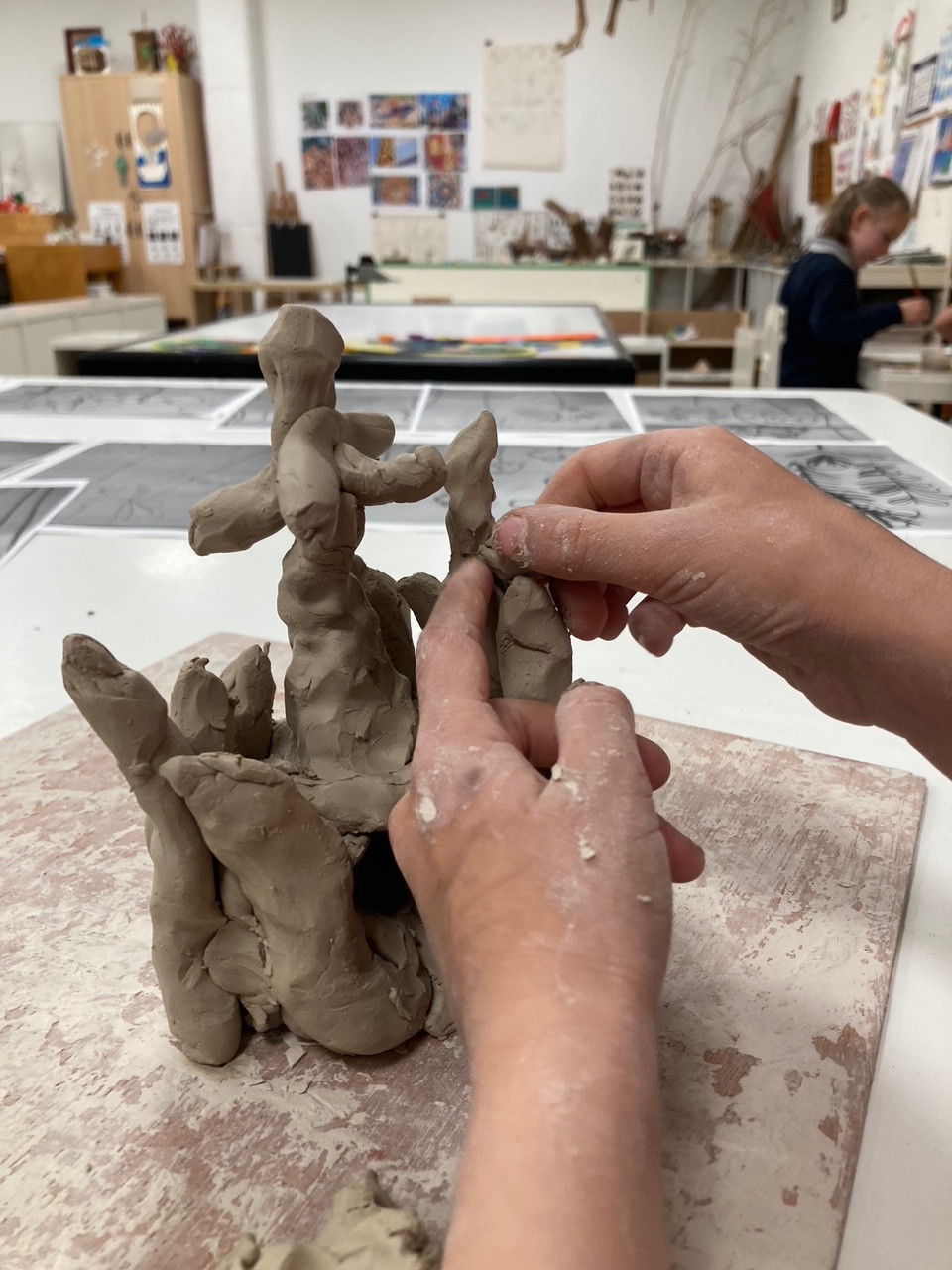
- Modelling clay reliefs
The first step was to help children understand what it means to be an architect and to appreciate the wide range of creative possibilities that architecture offers. The aim is to encourage creative thinking through architectural design.
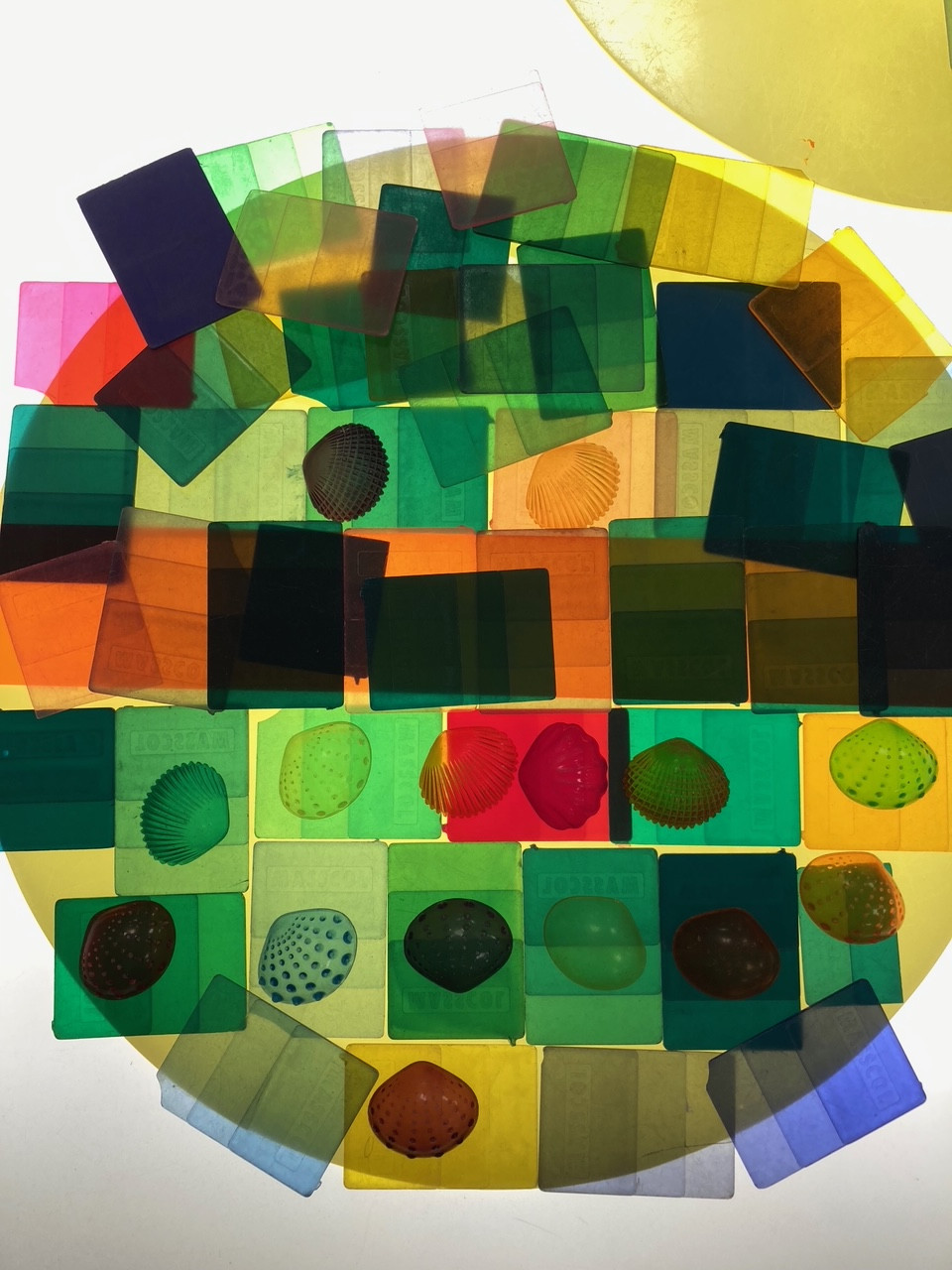
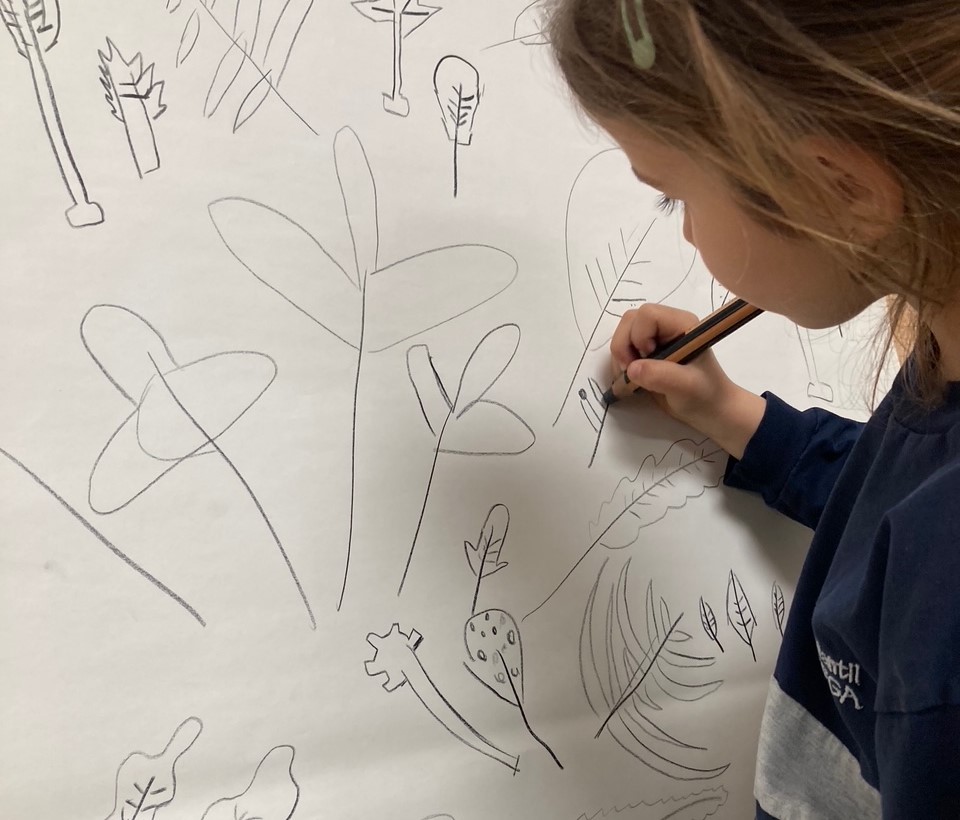
To achieve this, the learning experiences begin with children's own expressive marks and gestures as they draw and explore patterns found in nature. They observe both abstract and tangible natural elements, such as wind, rain, falling leaves, branches, whirlpools, honeycombs, cacti, bones, seaweed, shells, snails, coral, insects, waves, flowers, stars, and many others. The repetition of shapes, geometric patterns, organic forms, and natural textures becomes the starting point for their own creative work.
The project follows a STEAM approach, integrating science, technology, engineering, the arts, and mathematics to encourage meaningful connections between scientific observation and artistic expression.
Through Art en Curs, you can explore this project as well as a wide range of documentation on other projects, learning experiences, themes, and collaborations developed through the Atelier over the years. Together, they offer an insight into our approach to arts education at La Farga.
You can also follow us on Twitter/X: @artencurs.
Atelier